

Your stained concrete floors look incredible right now. But use the wrong cleaner just once, and you’ll watch that gorgeous finish cloud up permanently. The worst part? Most damage happens in the first year when owners don’t know what they’re doing.
This guide gives you the exact maintenance routine that keeps stained concrete floors looking pristine for decades. No trial and error needed.
What you’ll learn:
- Daily cleaning methods that protect your sealant
- Which products to use (and which ones destroy floors)
- Simple monthly maintenance that prevents major repairs
- How to handle spills and stains safely
- When to reseal and what warning signs to watch for
- Special care tips for Florida’s humidity
We’ve installed and maintained stained concrete floors throughout South Florida for over a decade at Concrete Art Design. From Boca Raton to Miami, our clients keep their floors stunning year-round using these exact methods. These aren’t just theories—they’re proven techniques we share with every installation.
Daily Cleaning Methods That Protect Your Sealant
Your sealant is the invisible shield between your beautiful stained concrete and permanent damage. Mess this up, and you’re looking at a complete refinish.
Start with dry cleaning. A microfiber dust mop removes 90% of dirt before it scratches your surface. Skip the broom—those stiff bristles create micro-scratches that dull your finish over time.
For wet cleaning, mix pH-neutral cleaner with warm water. We’re talking one ounce per gallon, max. Anything stronger starts breaking down your sealant immediately. Mop with a well-wrung microfiber mop, never soaking wet. Standing water seeps through tiny sealant gaps and lifts your stain from underneath.
Pro tip: Test your cleaner’s pH with strips from any pool supply store. Aim for 7-8 pH. Those “all-purpose” cleaners sitting at 10-11 pH? They’re eating your floors alive.
High-traffic areas need attention twice daily:
- Morning: Quick dust mop
- Evening: Damp mop with pH-neutral solution
At Concrete Art Design, we’ve seen floors maintained this way still gleaming after 15 years. Our commercial clients in Fort Lauderdale restaurants follow this exact routine—their floors handle thousands of footsteps daily yet look freshly installed.
Which Products to Use (And Which Ones Destroy Floors)
The right cleaning solution makes or breaks your stained concrete. We’ve watched homeowners strip their sealed surface down to raw concrete with one wrong product choice.
Safe Products That Actually Work
Your decorative concrete floors need gentle, consistent care. Here’s what professionals use:
- pH-neutral cleaners: Stone Tech, Bona Stone (mix 1 oz per gallon)
- Castile soap: Dr. Bronner’s diluted 1:40 with water
- Commercial polishing compound: Applied quarterly for shine
- Microfiber everything: Mops, pads, cloths—no exceptions
The Floor Destroyers
These harsh cleaning products will ruin your investment:
| Product | Damage Timeline | What Happens |
|---|---|---|
| Ammonia cleaners | 2-3 weeks | Strips sealant completely |
| Pine-Sol/oils | Immediate | Clouds finish permanently |
| Vinegar (any strength) | 1 month | Breaks down concrete stain |
| Bleach (undiluted) | 2-3 uses | Yellows and patches sealant |
| Citrus cleaners | 2 weeks | Etches sealed surface |
For cleaning concrete floors daily, water and mild soap beat everything else. Your indoor concrete floor doesn’t need aggressive chemicals.
Concrete Art Design specs these exact products for polished concrete floors across South Florida. They work without the damage risk.
Simple Monthly Maintenance That Prevents Major Repairs
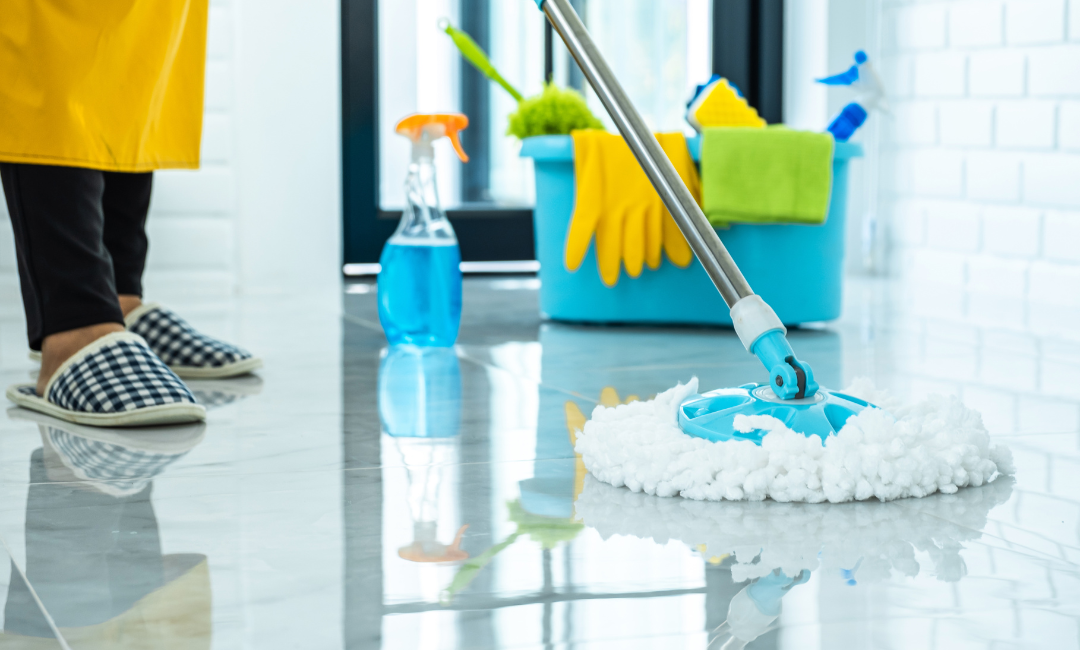
Monthly deep cleaning keeps stained floors pristine and extends sealant life by years. This basic cleaning routine takes two hours tops.
Step 1: Prep Your Space
Clear the entire floor completely. Move furniture using felt pads—dragging creates permanent scratches. Dust mop thoroughly, especially grout lines where debris hides.
Step 2: Deep Clean Strategy
Your cleaning solution needs more strength for monthly work:
- Mix 2 oz of pH-neutral cleaner per gallon
- Use a wet mop (well-wrung—excess water causes mineral deposits)
- Work in 10×10 sections
- Mop with your floor’s grain pattern
High-Traffic Treatment
Areas with heavy foot traffic need extra attention:
- Create a baking soda paste (3 parts soda: 1 part water)
- Apply to wear patterns
- Wait 5 minutes
- Gently scrub with a soft scrub brush
- Rinse and dry completely
Monthly Inspection Checklist
✓ Check sealant for cloudy spots
✓ Test water beading (should bead, not absorb)
✓ Look for etching near doorways
✓ Document new scratches
✓ Inspect grout lines for gaps
Our Boca Raton restaurant clients follow this cleaning routine religiously. Eight years later? Their polished concrete still looks freshly installed.
How to Handle Spills and Stains Safely
Speed beats everything when cleaning stained concrete. Coffee becomes permanent in an hour. Wine penetrates sealed surfaces in minutes.
Emergency Spill Protocol
First 30 seconds matter most:
- Blot (never wipe) with paper towels
- Rinse with clean water
- Dry completely with a microfiber
- Apply baking soda to grease stains immediately
Stain-Specific Solutions
Different stubborn stains need different approaches:
| Stain Type | Treatment | Time Limit | What NOT to Do |
|---|---|---|---|
| Rust stains | Oxalic acid paste | 3 minutes max | Never use CLR |
| Grease stains | Degreaser + baking soda | 10 minutes | Skip dish soap |
| Wine/juice | Hydrogen peroxide 3% | 5 minutes | Avoid bleach |
| Paint drops | Acetone + plastic scraper | Immediate | No metal tools |
The Pressure Washer Warning
Think that pressure washer will blast away stains? Think again.
- Indoor floors: Never use one (strips sealant instantly)
- Outdoor floors: Maximum 1,500 PSI
- Always reseal after pressure washing
Professional Poultice Method
For set-in stains on your decorative concrete:
- Mix baking soda to a toothpaste consistency
- Apply 1/4 inch thick layer
- Cover with plastic wrap
- Let sit overnight
- Rinse and assess
Concrete Art Design trains every concrete contractor on these exact techniques. We’ve rescued floors others wrote off as ruined. Most damage happens when people panic and grab whatever’s under the sink. Your smooth surface can handle stains—if you treat them right.
When to Reseal and What Warning Signs to Watch For
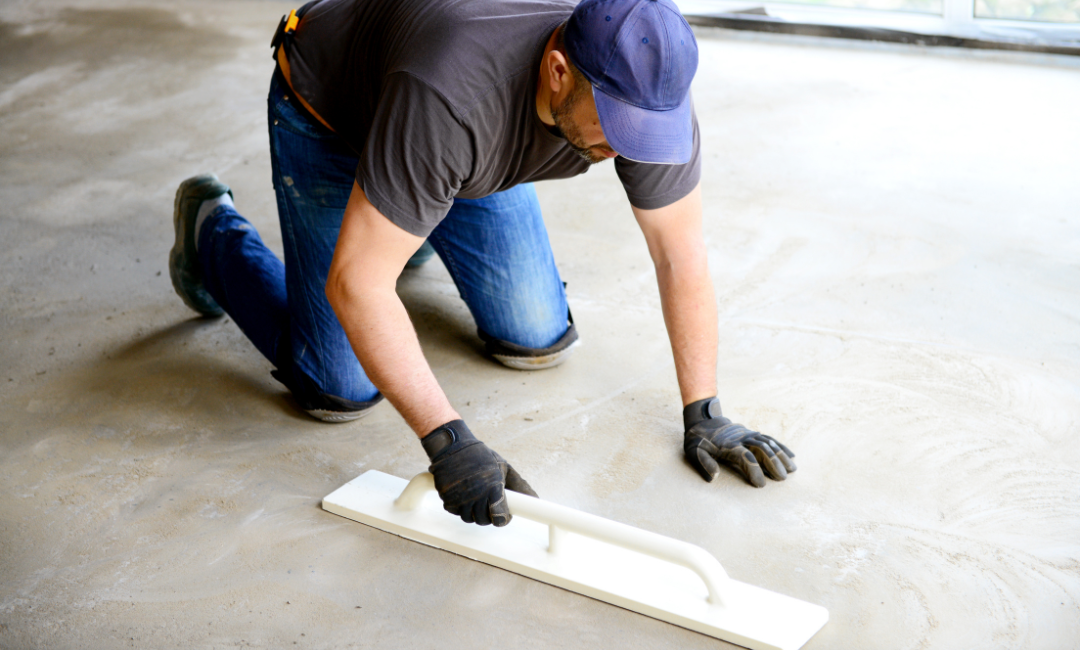
Your sealed concrete floors won’t last forever. Most water-based sealers give you 2-3 years before they need refreshing. Skip this routine maintenance, and you’ll watch your investment deteriorate fast.
The Water Test
Here’s the quickest way to check your sealant:
- Pour a tablespoon of water on your floor’s surface
- Wait 30 seconds
- Good sealant: Water beads up like a freshly waxed car
- Failing sealant: Water darkens concrete or soaks in
Visual Warning Signs
Your floors scream for help before they fail completely:
- Cloudy or milky patches (sealant breaking down)
- Dull spots in high-traffic areas
- Visible wear patterns that won’t clean up
- Stained areas that used to repel spills
- Fine scratches are becoming more visible
The Resealing Schedule
| Floor Type | Reseal Frequency | Warning Sign |
|---|---|---|
| Residential low-traffic | Every 3-4 years | Water stops beading |
| Residential high-traffic | Every 2 years | Visible paths appear |
| Commercial/restaurant | Annually | Dirt-resistant film wears off |
| Outdoor concrete | Every 18 months | Color starts fading |
DIY vs Professional Resealing
You can reseal yourself, but here’s what you’re facing:
- Strip old sealant completely (muriatic acid required—harmful fumes guaranteed)
- Apply multiple thin coats
- Maintain perfect temperature/humidity
- Stay off floors for 48-72 hours
Professional resealing? We use auto scrubber systems and swing buffer equipment that remove debris or stains and old sealant without damaging your stain. One day, done right.
Concrete Art Design monitors thousands of square feet across South Florida properties. Our clients who reseal on schedule spend 75% less on floor maintenance over ten years.
Special Care Tips for Florida’s Humidity
Florida’s moisture creates unique challenges for your stained concrete. That 80% humidity isn’t just uncomfortable—it actively attacks your floors.
Humidity’s Hidden Damage
Moisture doesn’t just sit on top. It:
- Seeps through micro-cracks in sealant
- Creates perfect conditions for mold beneath
- Causes sealant to cloud and peel
- Makes regular cleaning less effective
The Dehumidification Defense
Keep indoor humidity between 30-50% year-round. Your floors (and your AC bill) will thank you. Run ceiling fans constantly—moving air helps dry dust and moisture before they settle.
For covered outdoor areas, consider installing Big Ass Fans (yes, that’s the brand). They move massive air volumes that prevent stains from moisture buildup.
Florida-Specific Cleaning Adjustments
Morning routine changes:
- Clean before 10 AM when the humidity is lowest
- Use less water—mix water ratios at 50% normal strength
- Add extra drying time between steps
- Never use harsh detergents (they trap dirt in humid conditions)
Rainy season protocol: Place commercial-grade mats at every entrance. Not those thin decorative ones—we’re talking serious dirt-trapping machines. They remove dirt and moisture before it hits your floors.
During summer storms, loose dirt becomes mud instantly. Keep a neutral pH cleaner spray bottle ready for immediate spot treatment. Let tracked-in dirt dry completely before sweeping—wet sweeping spreads mud into your sealant.
Products That Work in High Humidity
- Mild dish soap beats everything for daily use
- Fine-grit abrasive pads for tough stains (never a stiff brush)
- Quick-dry sealants designed for coastal climates
- Dehumidifying floor fans for post-cleaning
Power washer for use outdoors? Only during the dry season. Wet-season pressure washing drives moisture deep into concrete, causing months of problems.
Keep Your Stained Concrete Stunning with Concrete Art Design
You’ve invested in beautiful stained concrete—now you know exactly how to protect it. Regular cleaning with the right products, monthly deep cleans, and watching for reseal warnings will keep your floors gorgeous for decades.
Key takeaways to remember:
- pH-neutral cleaners only—harsh products destroy sealant
- Blot spills immediately; never let them sit
- Test water beading monthly to catch sealant failure early
- Florida humidity demands adjusted cleaning routines
- Resealing every 2-3 years prevents expensive refinishing
At Concrete Art Design, we don’t just install stunning concrete floors throughout South Florida—we teach every client these exact maintenance methods. Our low-maintenance flooring material transforms spaces from Miami to Palm Beach. When you need professional resealing or help with stubborn stains your routine can’t handle, we’re one call away at (954) 478-2700.
FAQs
How often does stained concrete need to be sealed?
Most residential floors need resealing every 2-3 years. Commercial spaces require annual resealing due to heavy traffic. Test your sealant monthly—when water stops beading up, it’s time. Florida’s humidity may shorten this timeline by 6-12 months.
What are the disadvantages of stained concrete floors?
Stained concrete feels hard underfoot and gets cold in winter. They’re unforgiving when you drop dishes. Initial installation costs run high, and you can’t change colors without complete refinishing. Proper maintenance is non-negotiable—skip it and you’ll see permanent damage quickly.
Can you use Swiffer Wet Jet on stained concrete floors?
Skip the Swiffer Wet Jet. Most Swiffer solutions contain harsh chemicals that cloud your sealant. The pads also leave residue that builds up over time. Stick with microfiber mops and pH-neutral cleaners to clean and maintain your investment properly.
What’s the best way to clean stained concrete floors?
Daily dust mopping followed by weekly damp mopping with neutral pH cleaner mixed 1:40 with water. For tough stains, create a baking soda paste. Monthly deep cleaning should include moving furniture and treating high-traffic areas. Never use ammonia, vinegar, or citrus cleaners.
How often do you have to reseal stained concrete?
Residential floors typically need resealing every 2-3 years, commercial spaces annually. Outdoor concrete requires resealing every 18 months due to weather exposure. Watch for warning signs: dull spots, water absorption, or visible wear patterns mean it’s time, regardless of schedule.


