

Most people think concrete is just… gray. Flat. Boring. But the finish you choose can make it look like natural stone, polished marble, or rustic brick. The wrong finish, though, can mean slippery walkways, cracked surfaces, or a look that ages poorly. Choosing the right concrete finish is less about aesthetics and more about matching function to environment.
This guide breaks down every finish worth knowing so you can pick the right one with confidence. Here’s what we’ll cover:
- Trowel (smooth) finish, and where it works best
- Broom finish for slip-resistant outdoor surfaces
- Stamped concrete that mimics stone, brick, and tile
- Exposed aggregate for texture and durability
- Polished concrete for sleek, modern interiors
- Stained and acid-stained concrete for bold color
- Salt finish for subtle outdoor texture
- How to choose the right finish for your specific project
If you’re in South Florida and want a concrete finish that’s truly one-of-a-kind, Concrete Art Design has been handcrafting custom concrete for over a decade. From countertops to flooring, they’ll help you nail the look and the function.
What Is a Trowel (Smooth) Finish?
A trowel finish is the most common concrete finish you’ll encounter. It’s the clean, flat, sleek surface you see on garage floors, basement slabs, and interior walkways. Simple in concept, but timing is everything when applying it.
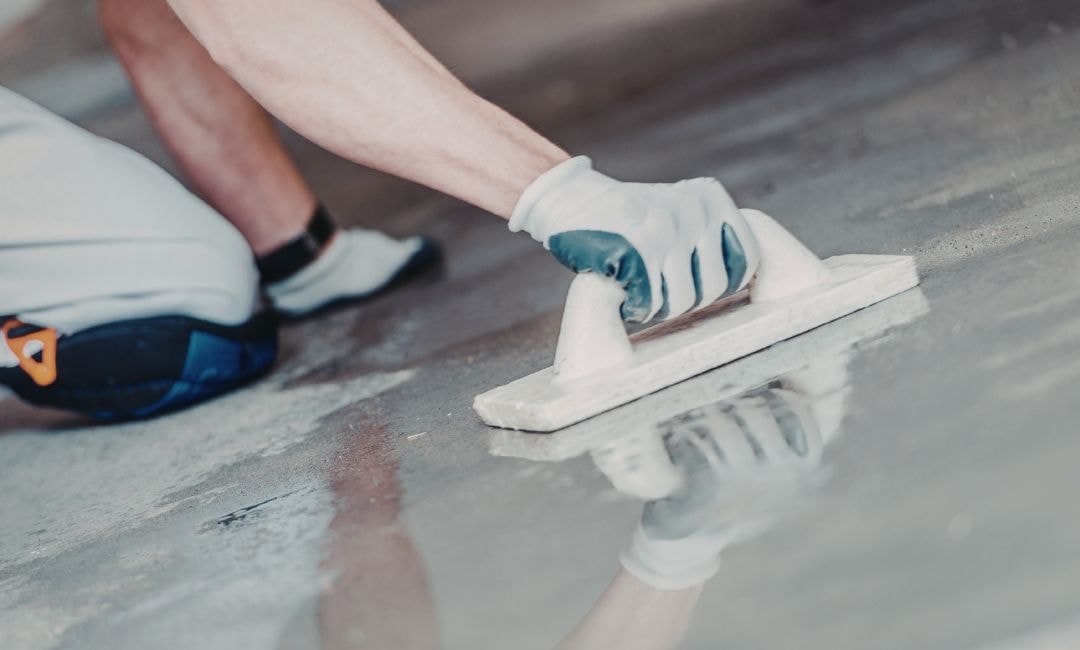
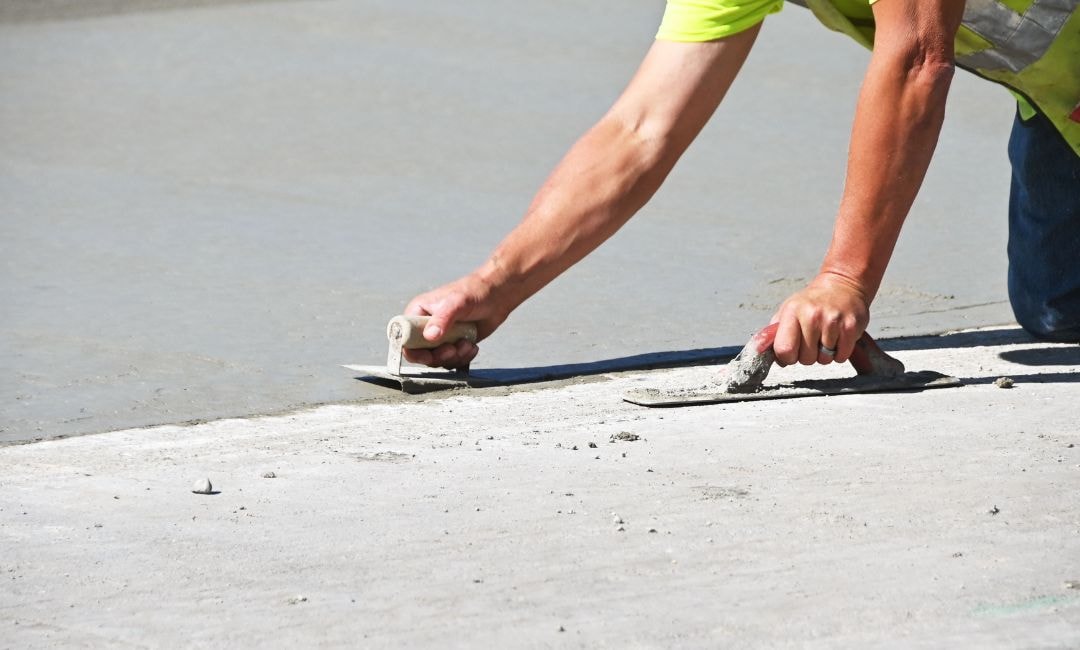
The process involves pulling a flat steel blade across freshly poured concrete to compress and smooth the surface. You can do it two ways:
- Hand troweling for smaller slabs and detail work
- Power troweling for larger areas like warehouses, patios, and garages
Where It Works Best
Trowel finishes shine in indoor and low-moisture environments. Think garage floors, interior hallways, commercial showrooms, and utility areas. However, smooth concrete gets slippery when wet, so it’s not ideal for pool decks, outdoor walkways, or rain-exposed surfaces.
Pro tip:Over-troweling traps moisture beneath the surface and leads to blistering and scaling down the road. Two to three passes is the sweet spot for most slabs.
If you’re considering a smooth concrete finish for your home or business in South Florida, the team at Concrete Art Design can help you get the timing, texture, and durability just right.
Broom Finish for Slip-Resistant Surfaces
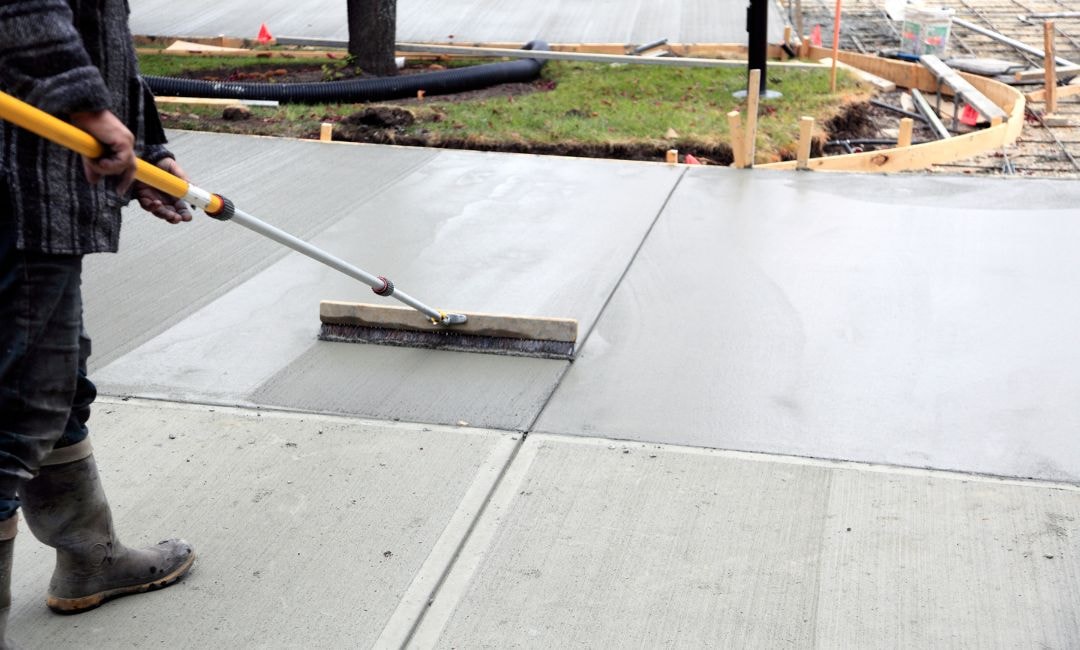
A broom finish is one of the oldest and most reliable concrete finishing techniques around. The concept is dead simple: drag a stiff-bristled broom across freshly placed concrete to create a textured surface with fine, parallel grooves.
Those grooves are what give broom-finished concrete its slip resistance, even in wet conditions. That’s why you see it everywhere on driveways, sidewalks, pool decks, and ramps.
Why It Works Outdoors
The textured surface provides traction for both foot traffic and vehicles, making it a go-to for outdoor surfaces exposed to rain or poolside splashing. It’s also one of the most budget-friendly concrete finishing techniques available.
- Best for: Driveways, sidewalks, swimming pools, decks, ramps, and patios
- Slip resistance: High, even when wet
- Maintenance: Low maintenance, just occasional cleaning and resealing
- Cost: One of the least expensive decorative options
Pro tip:The depth of your grooves depends on bristle size and timing. Broom too early, and you’ll tear the concrete surface. Too late, and you won’t get enough texture.
Stamped Concrete That Mimics Natural Materials
Want the look of natural stone, brick, or tile without the price tag? That’s exactly what a stamped concrete finish delivers. Also called imprinted concrete, this decorative concrete technique uses patterned molds pressed into wet concrete to create patterns that replicate high-end natural materials.
How It Works
After pouring and leveling, contractors apply a color hardener and release agent to the fresh concrete. Then they press metal panels or polyurethane stamps into the surface before it sets. The result? A finished concrete surface with realistic grout lines, geometric shapes, and textures that look like the real thing.
Popular Patterns Include:
- Stone: Flagstone, slate, cobblestone
- Brick: Herringbone, running bond, basket weave
- Tile: Ceramic, terracotta, hexagonal
- Even wood: Plank-style grain textures
Stamped concrete is a strong fit for patios, walkways, driveways, sidewalks, and commercial space entryways. It holds up well in high-traffic areas and costs significantly less than laying actual stone or brick.
Pro tip: Always ask your contractor for a physical stamp sample before the pour. Colors and textures can look very different once they’re on a full slab.
If you want a stamped concrete finish that truly stands out, Concrete Art Design creates custom decorative concrete pieces across South Florida that go well beyond standard patterns.
Exposed Aggregate for Texture and Durability
An exposed aggregate finish is what happens when you strip away the top layer of cement paste to uncover coarse decorative aggregate hiding beneath. The result is a textured, speckled concrete surface that’s as tough as it is good-looking.
What Makes It Stand Out
The process reveals richly colored natural stones, pebbles, or even recycled glass embedded in the concrete mix. You can customize the look by choosing specific aggregate materials like quartz, granite, basalt, or limestone.
This aggregate finish is built for punishment. It handles heavy foot traffic, harsh weather, and UV exposure without breaking a sweat.
- Best for: Pool decks, driveways, patios, walkways, and outdoor spaces
- Slip resistance: Naturally high due to the textured surface
- Durability: Extremely weather-resistant and long-lasting
- Maintenance: Low maintenance with occasional cleaning and resealing every 2-3 years
Where It’s Used
You’ll find exposed aggregate in both residential and commercial space applications. It’s a favorite for outdoor applications where you need a slip-resistant surface and curb appeal.
Pro tip:Chemical retarders have made this finishing process much more consistent than older methods like acid washing. If your contractor isn’t using them, ask why.
Polished Concrete for Sleek Interiors
If you want concrete floors that look like they belong in a high-end showroom, polished concrete is the answer. The polishing process involves grinding cured concrete with progressively finer diamond abrasives until it reaches a glossy, reflective surface.
Why Businesses Love It
Polished concrete floors show up in retail stores, office buildings, warehouses, restaurants, and even homes. The appeal is simple: they’re incredibly durable, low maintenance, and they look sharp.
Here’s what makes a polished finish worth considering:
- Durability: Withstands heavy foot traffic and rolling equipment in high traffic areas
- Maintenance: No waxing, no coatings. Just sweep and mop
- Reflectivity: The reflective surface amplifies natural and artificial light, cutting energy costs
- Air quality: Polished concrete floors don’t emit VOCs, making them ideal for indoor spaces like schools and medical facilities
Cost Comparison
Polished concrete floors typically run between $4 and $10 per square foot. Compare that to hardwood or tile, which often start at above $10. For any commercial space looking at long-term ROI, the math speaks for itself.
Pro tip: Polished concrete is actually more slip-resistant than untreated smooth concrete. The densifying chemicals used in the polishing process reduce porosity and improve traction.
At Concrete Art Design, polished concrete is one of our core specialties. We help South Florida homeowners and business owners get that sleek, modern look with a finish that’s built to perform for decades.
Stained Concrete for Bold Color
Stained concrete is how you take an ordinary concrete surface and turn it into something with real character. Unlike paint, which sits on top, stains penetrate the concrete and bond chemically with it. The color won’t peel, chip, or flake.
Two Types to Know
- Acid stains react with the minerals in the cement paste to produce earthy, mottled tones like amber, coffee, terracotta, and black. Every slab reacts differently, so no two acid-stained concrete floors look the same. That’s the beauty of it.
- Water-based stains offer a wider color range, including brighter hues like blues, greens, and reds. They’re easier to apply and give more predictable results.
Where Stained Concrete Shines
- Indoor spaces: Living rooms, basements, kitchens, retail stores
- Outdoor spaces: Patios, pool decks, driveways
- Existing concrete: You can stain both new and existing concrete, which makes it a great option for renovations
Stained concrete works beautifully on its own or layered with other textured concrete finishes like stamping or polishing. Many homeowners and designers combine staining with epoxy resin finishes for added protection and gloss.
Pro tip: Always seal stained concrete. Without a quality sealer, outdoor stains can fade and indoor stains can wear in high traffic areas.
Salt Finish for Subtle Outdoor Texture
A salt finish is one of those underrated concrete finishing techniques that deserves more attention. The process is straightforward: broadcast rock salt onto wet concrete, press it in with a float or roller, let the concrete cure, then wash the salt away. What’s left behind are small pits and shallow indentations that give the hardened concrete surface a subtle texture resembling weathered stone.
Why Choose Salt-Finished Concrete?
Salt-finished concrete sits a step above a basic broom finish in terms of visual appeal. It adds a decorative touch without the complexity or cost of stamped or stained options.
- Best for: Pool decks, patios, walkways, and garden paths
- Slip resistance: The small pits create a non-slip surface, ideal for areas around swimming pools
- Cost: One of the most affordable decorative finishes, roughly $1 extra per square foot
- Style: Pairs well with colored or integrally tinted concrete for a more customized look
One Thing to Watch
In regions with freeze-thaw cycles, water can pool in those small pits and cause surface damage over time. In South Florida’s warmer climate, this isn’t a concern. But if you’re in a colder state, make sure to apply a waterproofing sealer.
Pro tip:For the best results, use rock salt crystals between 1/8″ and 3/8″ in size. Press them to about half their depth for clean, consistent impressions.
How to Choose the Right Finish
Choosing from different concrete finishing techniques isn’t just about what looks good. It’s about matching the right finish to your environment, traffic level, and long-term goals.
Ask Yourself These Questions:
- Where is the concrete going? Indoor spaces favor smooth or polished finishes. Outdoor surfaces need slip resistant texture.
- How much traffic will it get? High-traffic areas in a commercial space need durability. Think polished or exposed aggregate.
- What’s your budget? Broom and salt finishes are the most affordable. Stamped and polished finishes cost more but deliver a premium look.
- Do you want decorative concrete or functional? Sometimes you need both. That’s where exposed aggregate and stamped concrete win.
Quick Comparison Table
| Finish | Best For | Slip Resistance | Maintenance |
|---|---|---|---|
| Trowel (Smooth) | Indoor spaces, garages, roof slabs | Low (slippery when wet) | Low |
| Broom | Driveways, sidewalks, pool decks | High | Low |
| Stamped | Patios, walkways, entryways | Moderate | Moderate |
| Exposed Aggregate | Driveways, pools, outdoor spaces | High | Low-Moderate |
| Polished | Retail stores, offices, homes | Moderate-High | Very Low |
| Stained | Indoor/outdoor floors | Varies by base finish | Low |
| Salt | Pool decks, patios, walkways | Moderate-High | Low |
Whatever finish you’re leaning toward for your next concrete project, the key is working with a contractor who understands the nuances of each one. Not every crew can pull off a flawless stamped concrete finish or a perfectly timed salt application.
If you’re in South Florida, Concrete Art Design handles everything from polished concrete floors to custom decorative concrete installations. With over a decade of experience, they’ll help you choose the right finish and get your concrete project started on the right foot.
Get the Perfect Finish With Concrete Art Design
The right concrete finish can transform any space from forgettable to stunning. But the wrong one can cost you time, money, and safety. Now you know what each option brings to the table, so choose wisely.
Key takeaways
- Trowel finishes work best for indoor spaces and garages
- Broom finishes deliver reliable slip resistance for outdoor surfaces
- Stamped concrete mimics natural materials at a fraction of the cost
- Exposed aggregate combines durability with serious curb appeal
- Polished concrete floors are the gold standard for low-maintenance commercial and residential interiors
- Stained concrete adds bold, permanent color to new or existing concrete
- Salt finishes offer subtle texture at a budget-friendly price
Whether you’re upgrading a pool deck, refinishing a showroom floor, or planning a full concrete installation from scratch, the team at Concrete Art Design knows how to match the right finish to your space.
With over a decade of handcrafting custom decorative concrete across South Florida, they bring the kind of precision and artistry that turns a simple slab into something worth showing off. Book a consultation and see what’s possible.
FAQs
What is a poor man’s concrete?
It’s a mix of cement, sand, and water without gravel or crushed stone. Some versions use dirt or recycled materials. It works for light-duty paths or temporary surfaces but lacks the strength of a standard concrete mix.
Which concrete finish is best?
It depends on where you’re using it. Polished works best indoors. Broom or exposed aggregate is ideal for outdoor surfaces. There’s no single “best” finish, only the best fit for your specific project.
What is F1, F2, F3, F4 concrete finish?
These are flatness and levelness classifications. F1 is the roughest (basic utility). F4 is the smoothest and most precise, typically reserved for high-end indoor spaces like retail stores and office buildings where a near-perfect concrete surface matters.
What is the smoothest concrete finish?
A steel trowel finish or a polished finish using diamond abrasives will give you the smoothest result. A power trowel can achieve a near-glass surface on larger slabs when timing and technique are dialed in.
What is the best finish for a concrete driveway?
Broom finish is the most popular choice for driveways and sidewalks because it offers strong slip resistance, handles vehicle traffic well, and costs less than decorative options. Exposed aggregate is a great upgrade if you want more visual appeal.
Is smooth finish concrete better than broom finish?
Smooth looks cleaner, but it gets slippery when wet. Broom finish provides a slip-resistant texture that’s safer for outdoor applications. For indoor spaces, smooth wins. For anything exposed to weather or water, go with a broom.


