

You’ve seen those gorgeous polished concrete floors on Pinterest. Six months later? They’re cracked, stained, or peeling like a bad sunburn. Most concrete floor finishes fail because people choose style over substance.
We’re about to show you which finishes can handle real life—spilled wine, dropped tools, even your teenager’s skateboard phase. This guide cuts through the marketing fluff to reveal what actually works.
What you’ll discover:
- Types of concrete finishes and their real-world durability
- Cost breakdowns (including hidden expenses)
- Which finishes work best for different spaces
- Maintenance requirements nobody talks about
- Common mistakes that destroy floors
Here at Concrete Art Design, we’ve been installing concrete floors across South Florida for over a decade. Our polished concrete floors have survived everything from Miami humidity to Boca Raton pool parties. We know what lasts because we’ve seen what doesn’t.
Types of Concrete Finishes That Actually Last
You’ve got some options for concrete floor finishes, and each one handles abuse differently. We’re breaking down what works, what doesn’t, and what’ll have you calling for repairs in two years.
Troweled Finish
The OG of concrete finishes. This is what you get when skilled hands work wet concrete with a steel trowel until it’s smooth as glass.
Characteristics: Ultra-smooth surface that feels almost slippery when dry. Think of it as concrete’s version of a mirror finish. The surface gets compressed and dense through repeated troweling.
Durability: Rock solid for 15-20 years in low-traffic areas. But here’s the catch—it’s terrible with water. One spilled margarita on your patio, and you’re ice skating. Indoor spaces? Different story. We’ve installed troweled finishes in Coral Springs homes that still look fresh after a decade.
Pros:
- Cheapest option ($2-4 per square foot)
- Perfect for garages and warehouses
- Easy to clean (just sweep and mop)
- Takes stain and sealers beautifully
Cons:
- Slippery when wet (seriously)
- Shows every scratch and scuff
- Cracks show up like neon signs
- Zero texture means zero grip
Broom Finish
Remember learning to write your name in wet cement? Broom finish is basically that, but professional. We drag a broom across wet concrete to create texture.
Characteristics: Parallel lines running across the surface. Texture ranges from light (soft bristle broom) to aggressive (stiff bristle). You control the grip level.
Durability: This workhorse lasts 20-25 years with minimal fuss. Miami driveways? Fort Lauderdale pool decks? Broom finish handles them all. The texture hides minor cracks and wear better than any smooth finish.
Pros:
- Excellent traction (even in rain)
- Hides imperfections like a champ
- Budget-friendly ($3-5 per square foot)
- DIY-friendly if you’re brave
Cons:
- Dirt loves those grooves
- Not winning any beauty contests
- Tough to shovel snow (though…South Florida problems, right?)
- Can trap water if not sloped properly
Stamped Concrete Finish
The shapeshifter of concrete finishes. Want flagstone without flagstone prices? Stamped concrete’s your answer.
Characteristics: Patterns pressed into concrete while it’s still soft. We’re talking brick, stone, wood plank—even exotic stuff like fossils or leaves. Color gets added through the mix or surface treatments.
Durability: Here’s where it gets tricky. 10-15 years if sealed religiously. Skip that annual sealing? You’re looking at 5-7 years before it looks rough. We’ve rescued countless stamped patios in Boca Raton where homeowners “forgot” to reseal.
Pros:
- Looks like expensive materials at 50% the cost
- Endless design options
- Adds serious curb appeal
- Great for pool decks and patios
Cons:
- High maintenance (annual sealing is non-negotiable)
- Repairs look obvious
- Can crack along pattern lines
- Color fades without UV-resistant sealers
Salt Finish
Old-school texture that’s making a comeback. We literally throw rock salt on wet concrete, press it in, then wash it away. Boom—instant texture.
Characteristics: Random pitted texture that looks like tiny craters. Depth varies based on salt size and pressure. Creates natural slip resistance without looking industrial.
Durability: Solid 15-20 years in most climates. But Florida’s humidity? Different game. Salt finish here needs extra sealing to prevent moisture infiltration. Without it, you’re looking at 10-12 years max.
Pros:
- Natural anti-slip surface
- Unique, subtle texture
- Moderate cost ($4-6 per square foot)
- Hides minor surface flaws
Cons:
- Pits can collect dirt
- Not ideal for furniture (wobbly table syndrome)
- Requires specific weather conditions during install
- Can trap water in freeze-thaw climates
Exposed Aggregate Finish
This is concrete, showing off its ingredients. We remove the top layer to reveal the stones underneath—like an inside-out chocolate chip cookie.
Characteristics: Bumpy surface showcasing pebbles, stones, or decorative aggregates. Texture depends on aggregate size (pea gravel to river rock). Colors come from the stones themselves.
Durability: The tank of finishes—easily 25-30 years. We installed exposed aggregate at a Lighthouse Point marina 15 years ago. Still looks great despite constant salt spray and boat traffic.
Pros:
- Virtually indestructible
- Natural beauty (no fake patterns)
- Excellent traction
- Low maintenance once sealed
Cons:
- Rough on bare feet
- Expensive ($8-15 per square foot)
- Difficult repairs (matching aggregate = nightmare)
- Some aggregates can pop out over time
Stenciled Finish
Think of it as stamped concrete’s precise cousin. Instead of pressing patterns, we lay stencils and apply color hardeners or overlays.
Characteristics: Crisp, clean patterns with sharp edges. Popular for logos, borders, or geometric designs. Color sits on top rather than throughout.
Durability: 8-12 years for the pattern, though the concrete underneath lasts decades. The weak link? That surface color. Heavy traffic areas need touch-ups every 3-5 years.
Pros:
- Perfect for commercial branding
- Intricate designs possible
- Can retrofit existing concrete
- Less labor than stamping
Cons:
- Surface treatment = surface problems
- Color can chip or wear
- Limited to flat surfaces
- Repairs super obvious
Polished Finish
The Ferrari of concrete floors. We grind the surface with progressively finer grits until it shines like marble.
Characteristics: Mirror-like shine that reflects light. Finish ranges from matte (400 grit) to high-gloss (3,000 grit). Natural concrete color or dyed options available.
Durability: When done right? 30+ years easy. Concrete Art Design’s polished floors in Miami offices still gleam after a decade of heel clicks and coffee spills. The key? Proper densification during the polishing process.
Pros:
- Stunning appearance
- Near-zero maintenance
- Improves with age
- Reflects light (lower energy bills)
- Pet-friendly (ask Cynthia from our reviews)
Cons:
- High upfront cost ($5-12 per square foot)
- Requires skilled installers
- Can be slippery without anti-slip additives
- Shows every imperfection in the substrate
Colored Finish
Adding pigment to concrete—sounds simple, right? Wrong. This finish category covers everything from integral color to acid stains.
Characteristics: Color throughout (integral) or surface-applied (stains, dyes). Options range from earth tones to electric blues. Can combine with any texture finish above.
Durability: Varies wildly. Integral color? Lifetime color that won’t fade. Acid stains? 10-15 years. Topical color? Maybe 5 years if you’re lucky.
Pros:
- Unlimited color options
- Can mimic natural stone
- Hides the concrete’s gray personality
- Works with any finish type
Cons:
- Color matching for repairs = impossible
- Some methods fade badly
- Adds $2-8 per square foot
- Requires expertise for even coverage
Epoxy Resin Finish
The protective shield of concrete finishes. This isn’t concrete itself—it’s a coating that turns boring slabs into showpieces.
Characteristics: Glossy, seamless surface available in solid colors or with decorative chips. Can include metallic pigments for that “wow” factor. Thickness ranges from thin mil to quarter-inch pours.
Durability: 10-20 years, depending on traffic and quality. Commercial-grade epoxy in your garage? Different beast than DIY kits from the hardware store. We’ve seen both extremes in Pompano Beach warehouses.
Pros:
- Chemical resistant
- Seamless and hygienic
- Endless design possibilities
- Can resurface damaged concrete
Cons:
- Can yellow in sunlight
- Slippery when wet (without additives)
- Prep work is everything
- Hot tire pickup in garages
Your lifestyle determines your finish. Pool parties every weekend? Skip the troweled finish. Want something that’ll outlive your mortgage? Polished or exposed aggregate. Budget is tight, but you need durability? Broom finish wins every time.
Pro tip: Whatever finish you choose, proper installation beats fancy features. We’ve fixed more “bargain” floors than we can count. Do it right the first time.
Cost Breakdown That Actually Makes Sense
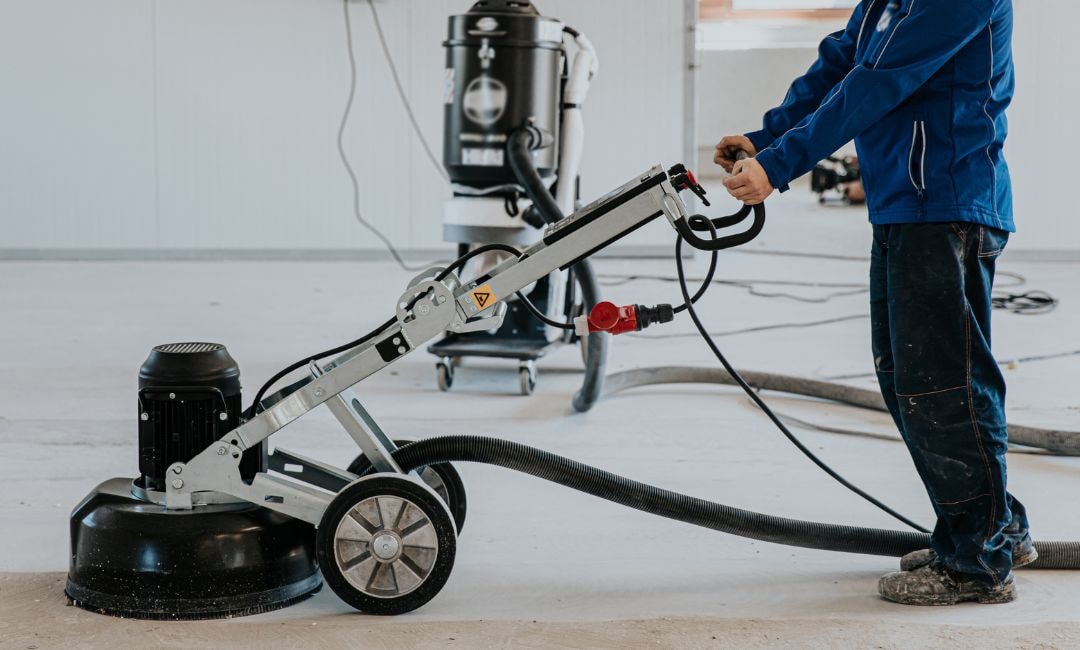
You’re probably getting wildly different quotes and wondering if contractors are just making up numbers. Here’s what you’re really paying for.
Basic concrete floor finishes run $2-$6 per square foot. Mid-range options with decorative elements cost $6-$15 per square foot. Want the Ferrari treatment? High-end finishes reach $15-$30 per square foot.
But here’s what most contractors won’t tell you: these base prices are just the beginning.
| Finish Type | Base Cost (per sq ft) | Real World Cost* | Hidden Expenses |
|---|---|---|---|
| Broom | $3-$5 | $4-$7 | Yearly sealing ($200-$500) |
| Troweled | $2-$4 | $3-$6 | Anti-slip additives ($1-$2/sq ft) |
| Stamped | $8-$15 | $12-$20 | Annual resealing ($2-$3/sq ft) |
| Polished | $5-$12 | $8-$18 | Densifiers ($1-$3/sq ft) |
| Epoxy | $4-$10 | $7-$15 | Floor prep ($2-$5/sq ft) |
| Exposed Aggregate | $8-$15 | $10-$18 | Special sealers ($2-$4/sq ft) |
*Includes typical prep work and South Florida labor rates
The Prep Work Nobody Mentions
Concrete repair adds $2-$8 per square foot before you even start the finish. Got oil stains in that garage? Power washing and degreasing run $1-$2 per square foot.
Pro tip:We’ve seen “bargain” floors in Pompano Beach that skipped prep. They’re peeling within two years. Every. Single. Time.
Why Location Matters
South Florida pricing hits different. Our humidity means extra sealing. Salt air from the coast? Double your maintenance budget. That sweet deal from your cousin’s friend? Check if they factor in our climate.
Concrete Art Design includes climate-specific treatments in our quotes. That polished floor Cynthia raved about? Still stunning after years of Florida weather because we used the right densifiers from day one.
The 5-Year Cost Reality
Stop looking at installation prices. Think total ownership cost. That $3 broom finish seems cheap until you’re resealing every year. Meanwhile, our polished concrete floors need virtually zero maintenance—just occasional mopping.
Smart money goes toward finishes that handle your lifestyle. Pool parties? Skip the high-maintenance stamped concrete. Want set-it-and-forget-it durability? Polished or exposed aggregate pays for itself.
Which Finishes Work Best for Different Spaces
Stop choosing finishes based on Pinterest photos. Your concrete surface needs to match your actual life, not your Instagram feed. We’ve installed thousands of floors across South Florida—here’s what actually works where.
Kitchen & Dining Areas
Your kitchen floor faces daily warfare: dropped knives, grease stains, spilled wine. Skip the pretty stamped patterns that trap food particles. Instead, go for a polished concrete finish that wipes clean in seconds.
Best choices:
- Polished (stain-resistant, easy cleaning)
- Sealed stained concrete (adds color without texture)
- Epoxy (for serious chefs who need chemical resistance)
Avoid: Exposed aggregate (food gets stuck), salt finish (impossible to clean properly)
Bathrooms & Wet Areas
Water’s the enemy of most floor coverings, but concrete laughs at moisture—if you pick the right finish. That drab concrete floor in your master bath? Transform it with the right treatment.
Winners:
- Polished with anti-slip additives
- Textured trowel finish (grip without grooves)
- Quality epoxy systems
Skip: Smooth trowel (skating rink when wet), unsealed finishes (moisture penetration)
Garages & Workshops
Your garage sees it all—hot tires, oil drips, dropped tools. Don’t waste money on decorative finishes that’ll get destroyed. Focus on durability over beauty.
Top performers:
- Epoxy resin (handles chemicals)
- Polished concrete (reflects light, stays clean)
- Heavy broom finish (hides imperfections)
We installed epoxy in a Fort Lauderdale auto shop five years ago. Still looks fresh despite daily abuse—because we prepped that existing concrete floor correctly and used commercial-grade materials.
Outdoor Spaces & Pool Decks
Florida weather demands specific finishes. That gorgeous stained concrete? It’ll fade under our UV unless sealed properly. Salt chlorinated pools? Even tougher on concrete slabs.
Built to last:
- Broom finish (classic for good reason)
- Exposed aggregate (natural slip resistance)
- Salt finish (budget-friendly texture)
- Stamped with UV-stable sealers
Never use: Polished (too slippery), indoor epoxy formulas (yellow in sunlight)
Living Rooms & Bedrooms
Indoor living spaces let you prioritize aesthetics—but comfort matters too. Concrete’s naturally cool, perfect for Florida, but can feel hard underfoot.
Ideal options:
- Polished concrete (elegant, low maintenance)
- Stained concrete floors with radiant heating
- Decorative overlays (softer feel)
Pro tip: Layer area rugs over polished floors. You get the durability of concrete with comfort zones where needed.
Commercial Spaces & Retail
Business floors work overtime. They need to handle heavy traffic while looking professional. We’ve done restaurants, offices, and retail stores across Miami-Dade—each needs different solutions.
Commercial champions:
- Polished (showroom shine)
- Epoxy systems (customizable logos)
- Exposed aggregate (hides wear)
Basements & Bonus Rooms
Below-grade spaces face unique moisture challenges. Your new concrete might look perfect, but without proper finishing, moisture vapor will cause problems.
Moisture-resistant picks:
- Epoxy with vapor barriers
- Polished with densifiers
- Stained with penetrating sealers
Maintenance Requirements Nobody Talks About
Every contractor promises “low-maintenance” floors. Then you’re scrubbing stains, resealing annually, or watching your investment deteriorate. Let’s expose what each finish really demands.
The Resealing Racket
Most textured concrete finishes need resealing every 1-3 years. That’s $2-$4 per square foot you weren’t told about. Stamped concrete? Without annual resealing, the color fades faster than a Florida tan.
Resealing schedules:
- Stamped: Every 12 months (or watch it fade)
- Stained: Every 18-24 months
- Broom/Salt: Every 2-3 years
- Exposed aggregate: Every 3-5 years
- Polished: Every 5-10 years (or never with proper densifiers)
Daily Cleaning Reality Check
Marketing says “just mop and go.” Reality? Different finishes demand different approaches. Use the wrong cleaner on your concrete stain, trigger a chemical reaction that ruins the color.
Smooth finishes (polished, troweled):
- Dust mop daily (shows everything)
- Damp mop weekly with pH-neutral cleaner
- No harsh chemicals—ever
Textured finishes (broom, stamped, exposed):
- Sweep or blow debris from grooves
- Pressure wash monthly (outdoor)
- Scrub brush for stubborn dirt
- Deeper grooves = more cleaning time
The Stain Game
Every finish handles stains differently. That wine spill on unsealed concrete? Permanent reminder of last night’s party. Oil on your garage floor? Some finishes make it your new permanent décor.
Stain resistance ranking:
- Epoxy: Bulletproof against most stains
- Polished (sealed): Resists if cleaned quickly
- Stained/sealed: Good protection, varies by sealer
- Exposed aggregate: Stains hide in texture
- Unsealed anything: Stain magnet
Hidden Maintenance Costs
Nobody mentions these expenses until you’re stuck with them:
- Diamond abrasives for polished floors need refreshing ($1-$2/sq ft every 5-7 years). That shiny surface dulls with traffic—especially in commercial spaces with heavy foot traffic.
- Crack repairs appear even in quality installations. Florida’s ground movement guarantees it. Budget $200-$500 annually for typical homes.
- Color touch-ups for stained concrete run $3-$5 per square foot when the inevitable fade hits. UV exposure accelerates this—covered patios last longer than pool decks.
When “Low Maintenance” Isn’t
Polished concrete gets marketed as zero maintenance. True? Not quite. You still need:
- Dust mopping (daily in businesses)
- Auto-scrubber for large areas
- Occasional burnishing to restore shine
- Proper pH-neutral cleaners only
But compared to resealing stamped concrete every year? Polished wins by miles.
The Climate Factor
South Florida’s humidity and salt air accelerate maintenance needs. That manufacturer’s “5-year sealer”? Cut that timeline in half. Concrete mix quality matters too—cheaper mixes deteriorate faster in our climate.
We tell clients straight up: beachfront properties need 2x normal maintenance. That exposed finish near the ocean? Plan on yearly sealing minimum. Interior floors in Coral Springs? Much more forgiving.
Damage Control Protocols
Different finishes repair differently. Scratched epoxy often means redoing entire sections. Chipped stamped patterns never match perfectly. But polished concrete? Spot repairs blend seamlessly when done right.
Repair difficulty (easiest to hardest):
- Broom finish (just match texture)
- Polished (re-polish the affected area)
- Exposed aggregate (finding matching stones)
- Stained (color matching nightmares)
- Stamped (patterns never align perfectly)
The Professional Clean Secret
Here’s what changes everything: professional maintenance contracts. Sounds fancy, but for commercial spaces or large homes, quarterly pro cleaning costs less than fixing neglected floors.
Concrete Art Design offers maintenance programs because we’ve seen what happens without them. That beautiful polished floor in your Boca Raton showroom? Keep it stunning with proper care, or watch it turn into another drab concrete floor within three years.
Common Mistakes That Destroy Floors
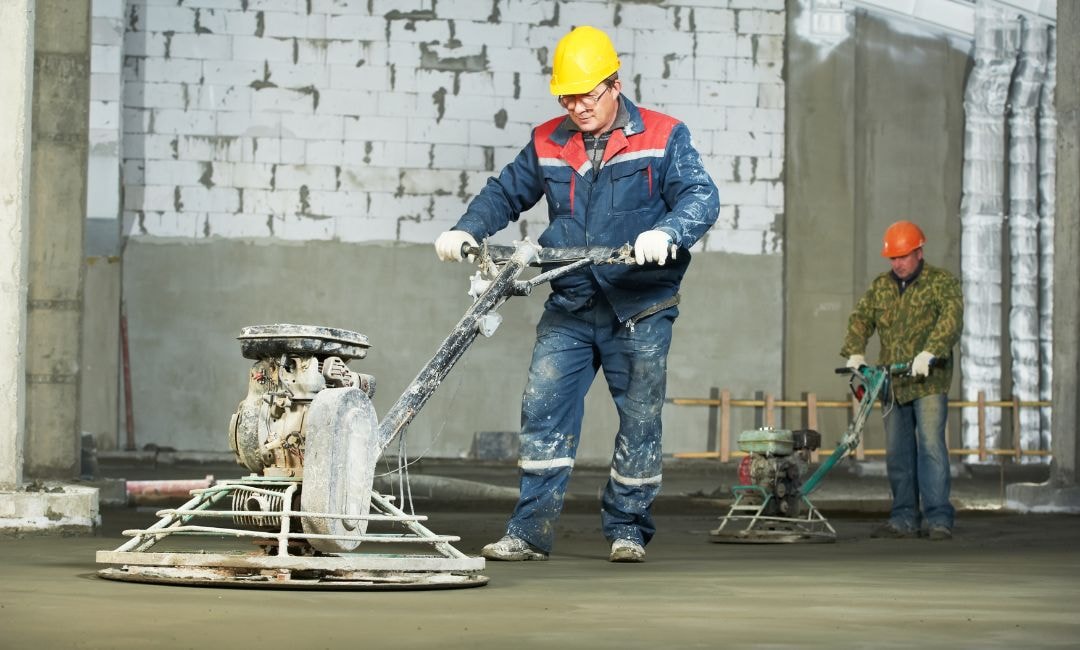
We’ve fixed more botched concrete floors than we can count. The same mistakes keep destroying South Florida homes and businesses. Here’s what’s killing your investment—and how to avoid joining the casualty list.
The Rush Job Disaster
Concrete needs time to cure properly. Period. Yet we constantly see contractors pouring liquid catalyst or liquid hardener on wet concrete, trying to speed things up. The result? Cracking, peeling, and complete failure within months.
The timeline reality:
- New concrete: 28 days minimum before finishing
- Surface prep: Never skip to save a day
- Between coats: Follow manufacturer’s specs exactly
- Final cure: Full strength takes time
That “same-day install” promise? Run. Fast.
Moisture Barrier Myths
Florida’s moisture isn’t just humidity—it’s underground vapor trying to escape through your slab. Skip the moisture barrier, and watch your expensive finish bubble, peel, or develop white residue (efflorescence).
Moisture mistakes we see:
- Testing with plastic sheets (unreliable)
- Ignoring vapor emissions above 3 lbs
- Using indoor products outside
- Believing “waterproof” means “vapor-proof”
Wrong Product, Wrong Place
Slapping residential-grade finishes in high-traffic areas guarantees failure. That pretty water-based stain from the home store? Dead within weeks in your restaurant. Commercial flooring demands commercial-grade products.
Product mismatches:
- Interior epoxy used outdoors (yellows immediately)
- Acid-based stains near metal (corrosion city)
- Smooth finishes in wet areas (lawsuit waiting)
- Cheap sealers on expensive installations
The DIY Disaster Zone
YouTube makes everything look easy. Reality? Finishing techniques require years to master. Those power trowels aren’t toys. One wrong move creates waves, burns, or worse.
DIY failures we fix:
- Uneven polish (looks like a funhouse mirror)
- Trapped air bubbles in epoxy
- Overlapping stain creating dark bands
- Sealer applied too thick (turns milky)
Cleaning Chemical Catastrophes
Your floor’s worst enemy might be your cleaning closet. Wrong cleaners trigger chemical reactions that destroy finishes permanently. That “all-purpose” cleaner? It’s eating your sealer.
Chemical no-nos:
- Bleach on stained finish concrete (goodbye color)
- Acidic cleaners on polished floors
- Oil-based products on epoxy
- Abrasive pads on any sealed surface
Sealer Sins
More sealer ≠ better protection. We see floors destroyed by over-sealing more than under-sealing. Thick applications trap moisture, turn yellow, and peel like bad wallpaper.
Sealer mistakes:
- Multiple coats without proper dry time
- Wrong sealer for the finish type
- Applying in high humidity
- Never stripping old sealer first
Temperature Tantrums
Florida’s weather swings wreak havoc during installation. Pour concrete in our summer afternoon thunderstorms? Excess water ruins everything. Apply finishes in “cold” 60°F mornings? Improper bonding.
Weather windows matter:
- Concrete: 50-90°F, low humidity
- Stains: 55-85°F, no rain for 24 hours
- Sealers: Follow specs exactly
- Epoxy: Climate-controlled or forget it
Prep Work Shortcuts
Grease stains, old adhesive, previous coatings—all must go before new finishes. Yet contractors constantly skip proper prep to underbid jobs. That “great deal” becomes your expensive nightmare.
Prep steps everyone skips:
- Moisture testing (important)
- pH testing (affects bonding)
- Profile checking (roughness needed)
- Contamination removal (100% clean)
Pattern Matching Problems
Stamped and stenciled patterns require precision. We’ve seen contractors do freestyle repairs or additions. Result? Obvious patches that scream “amateur hour” forever.
Maintenance Amnesia
The number one floor killer? Neglect. Even finishes that need very little maintenance need some care. Ignore annual sealing, use the wrong cleaners, skip repairs—watch your investment crumble.
Neglect timeline:
- 6 months: Visible wear patterns
- 1 year: Staining and fading
- 2 years: Peeling and delamination
- 3 years: Complete refinish needed
Ready to Transform Your Concrete With Concrete Art Design?
Choosing the right concrete finish isn’t just about today’s look—it’s about tomorrow’s durability. Smart choices now save thousands later.
Key takeaways:
- Match finishes to actual use, not aspirational aesthetics
- Factor in total ownership costs, not just installation
- Climate matters—South Florida demands specific solutions
- Proper prep work isn’t optional, it’s essential
- Maintenance makes or breaks your investment
- Professional installation pays for itself
Ready to skip the mistakes and get it right the first time? Concrete Art Design brings decades of South Florida experience to every project. We’re the team other contractors call to fix their failures.
FAQs
What is the least expensive concrete floor finish?
Basic broom finish runs $3-5 per square foot installed. It’s labor-intensive but cost-effective for driveways and patios. Just remember—cheap upfront often means expensive maintenance later.
How do you finish an indoor concrete floor?
Clean and level the surface properly, apply your chosen finish (polish, stain, or epoxy), then seal. Indoor floors need special coatings designed for interior use. Never DIY without proper equipment—those glossy finishes require professional tools.
What’s the best floor covering for a concrete floor?
Polished concrete itself is the best “covering”—it’s the actual surface transformed into something beautiful. For comfort, add area rugs. Other materials like tile or wood require extensive prep and often fail due to moisture issues.
What is F1, F2, F3, F4 concrete finish?
These numbers indicate flatness tolerance. F1 is basic (warehouses), F4 is super flat (TV studios). Most homes need F2-F3. Higher numbers mean more grinding and cost, but create that perfect glossy finish everyone wants.
What are the different types of concrete floor coatings?
Main types include epoxy (durable finish for garages), polyurethane (flexible and UV-stable), acrylic sealers (basic protection), and penetrating sealers (invisible protection). Each serves different purposes—pick based on traffic and exposure.
Can you use floor finish on concrete?
Yes, but use concrete-specific products. Regular floor finishes meant for other materials won’t bond properly. You need finishes that penetrate or chemically bond with concrete to create a slip-resistant, non-slip surface that lasts.


